Now the Lord has given us room and we will flourish in the land" Genesis 26:22 5


Structural Stability Testing Services
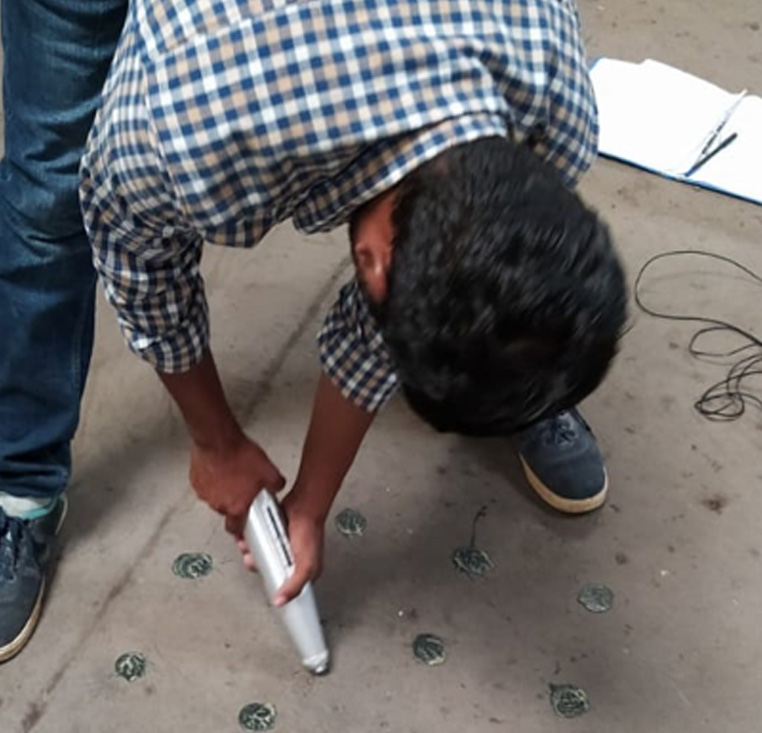
Non-Destructive Testing (NDT) methods like ultrasonic testing and rebound hammer tests are used to assess the structural stability of buildings and other structures by evaluating material properties and detecting potential defects without causing damage.
- Structural stability analysis is the process of evaluating whether a structure can withstand the loads and stresses it is subjected to, ensuring it remains safe and functional.
- This involves assessing the structure's ability to resist deformation, collapse, or failure under various conditions, such as gravity, wind, earthquakes, and other environmental factors.
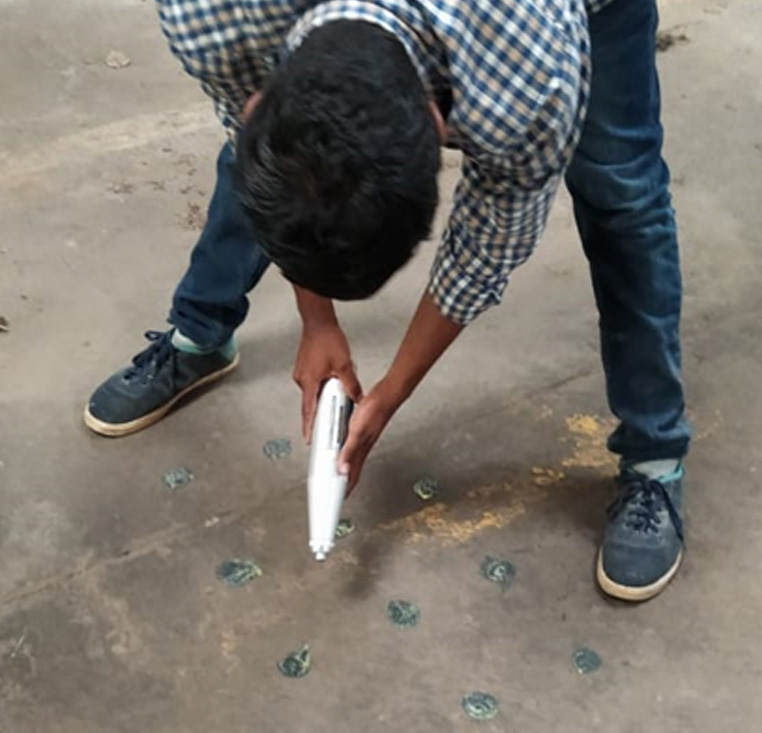
NDT Methods in Structural Stability Analysis:
• Identifying Potential Defects: NDT methods can detect cracks, voids, delamination, and other defects that might compromise the structural integrity.
• Evaluating Material Properties: Techniques like ultrasonic testing can assess the quality of concrete, steel, and other materials used in construction.
• In-Situ Assessment: NDT methods allow for the evaluation of existing structures without the need for destructive testing or dismantling.
Benefits of NDT:
- Cost-Effective: NDT methods are generally less expensive than destructive testing.
- Time-Saving: NDT can be performed quickly and efficiently.
- Non-Invasive: NDT does not damage the structure being tested.
Applications of NDT in Structural Stability Analysis:
- Concrete Structures: Evaluating the quality of concrete, detecting cracks, and assessing the condition of reinforcement.
- Steel Structures: Inspecting welds, assessing corrosion, and evaluating the condition of structural members.
- Other Structures: Assessing the condition of bridges, dams, and other infrastructure.
- Fire-Damaged Structures: Assessing the structural integrity of fire-affected buildings.